


Displaced Persons Camps
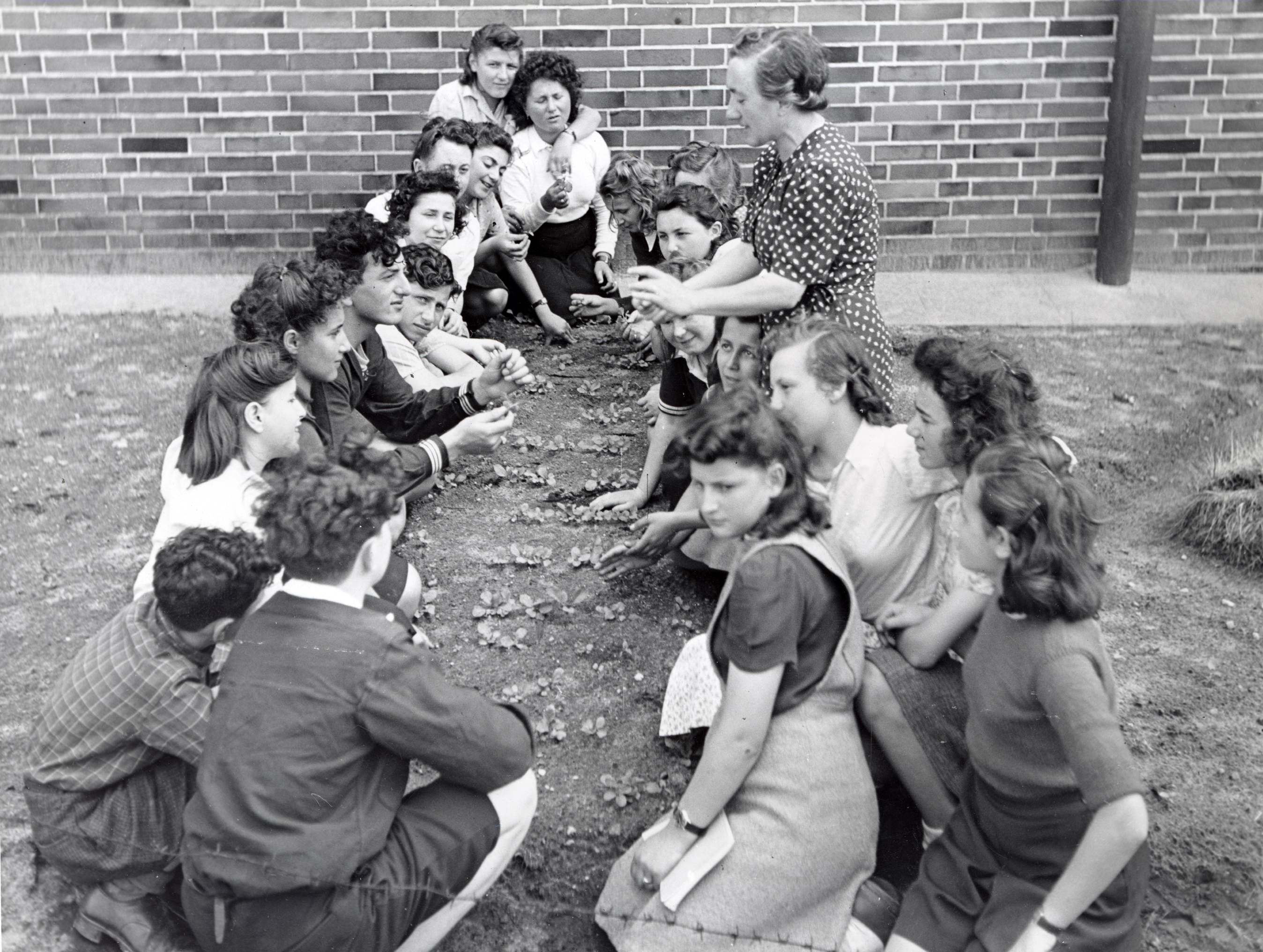
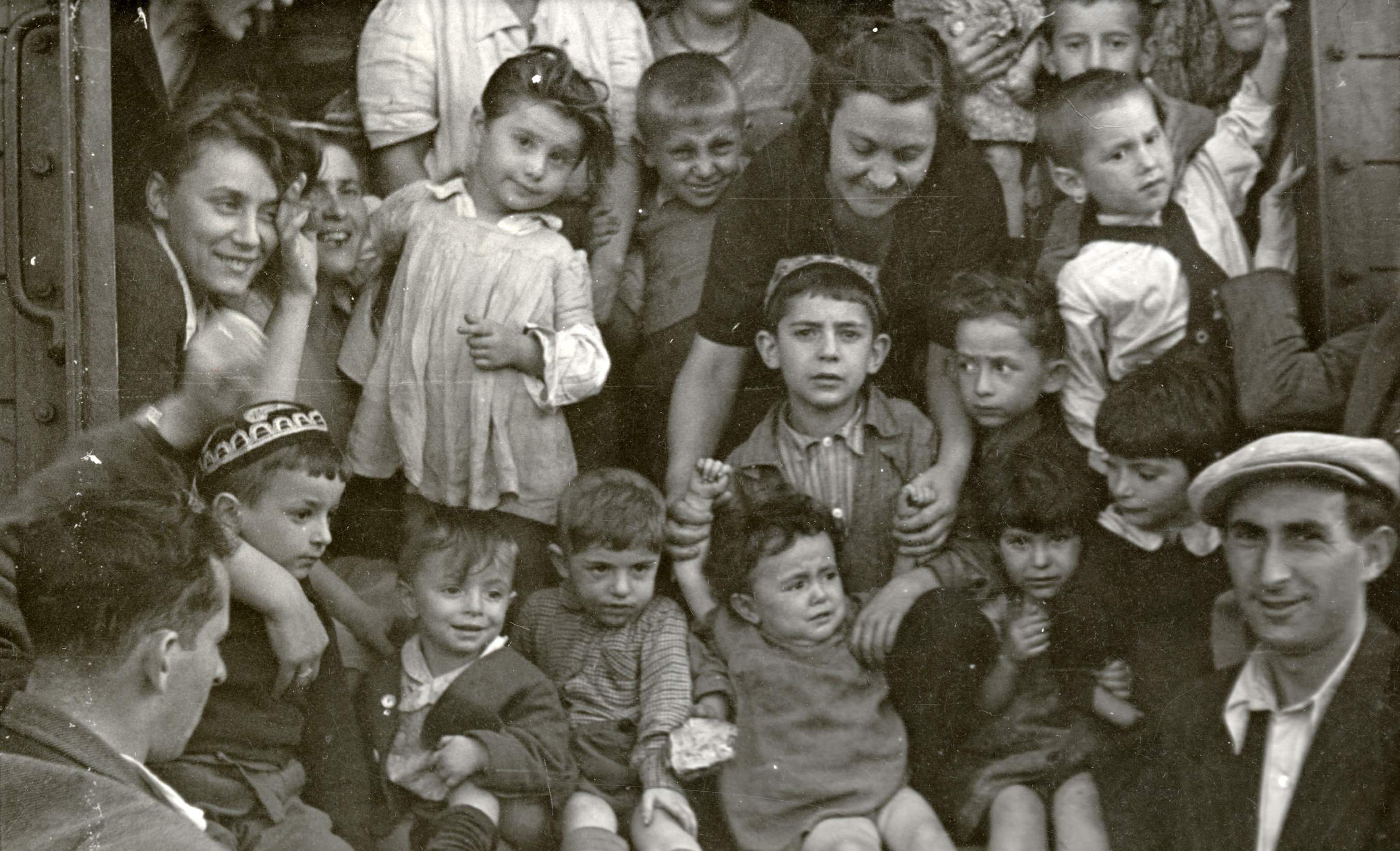
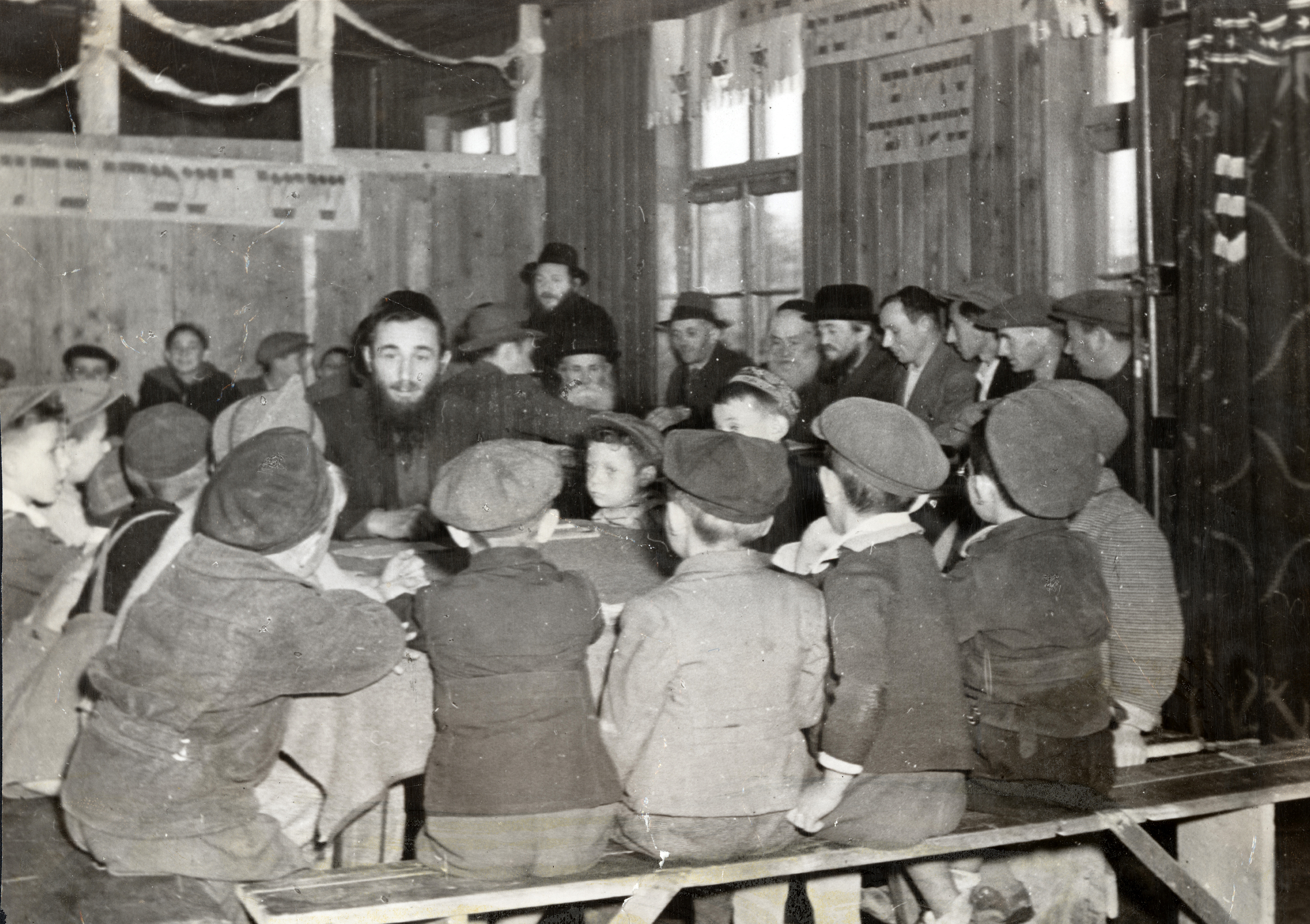
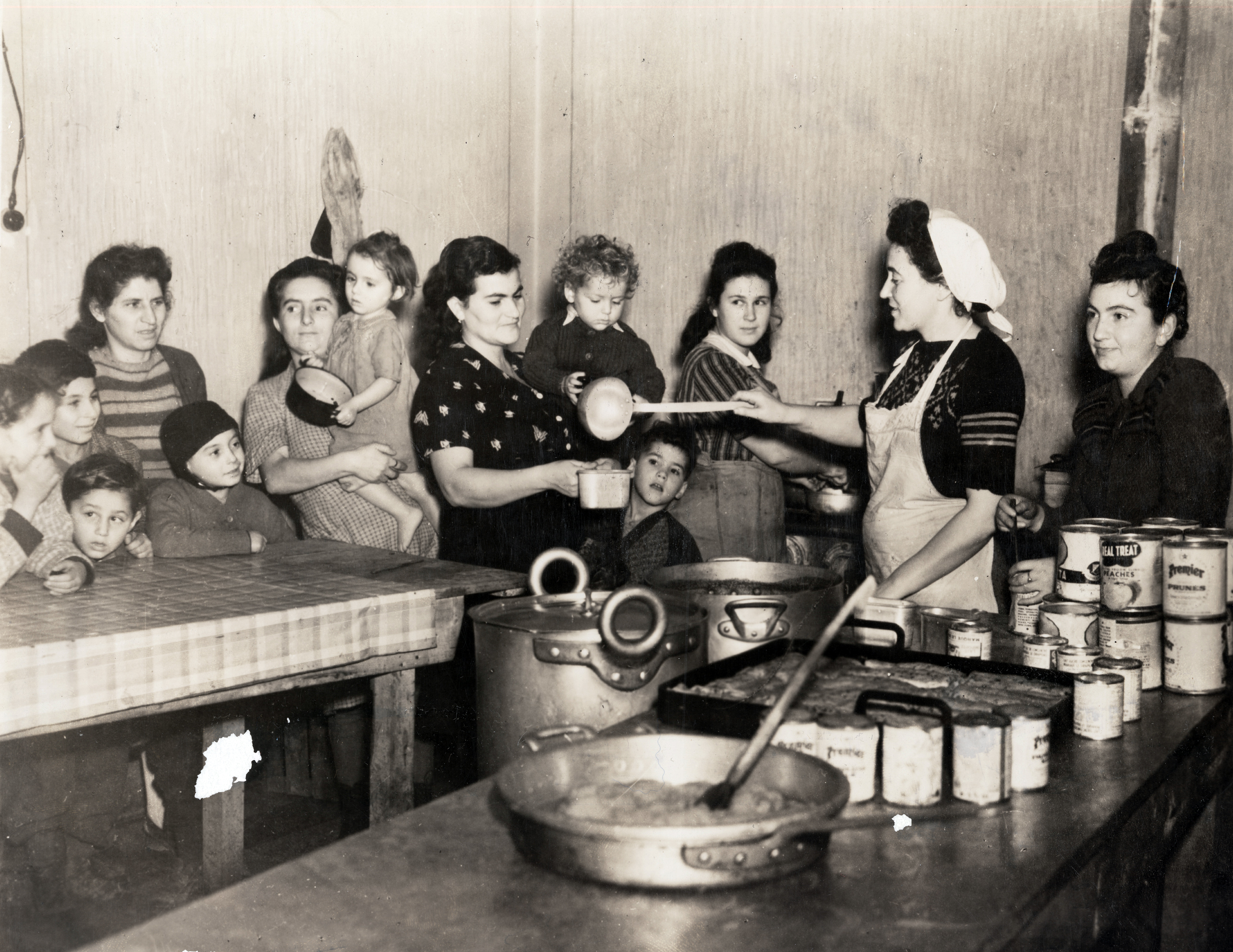
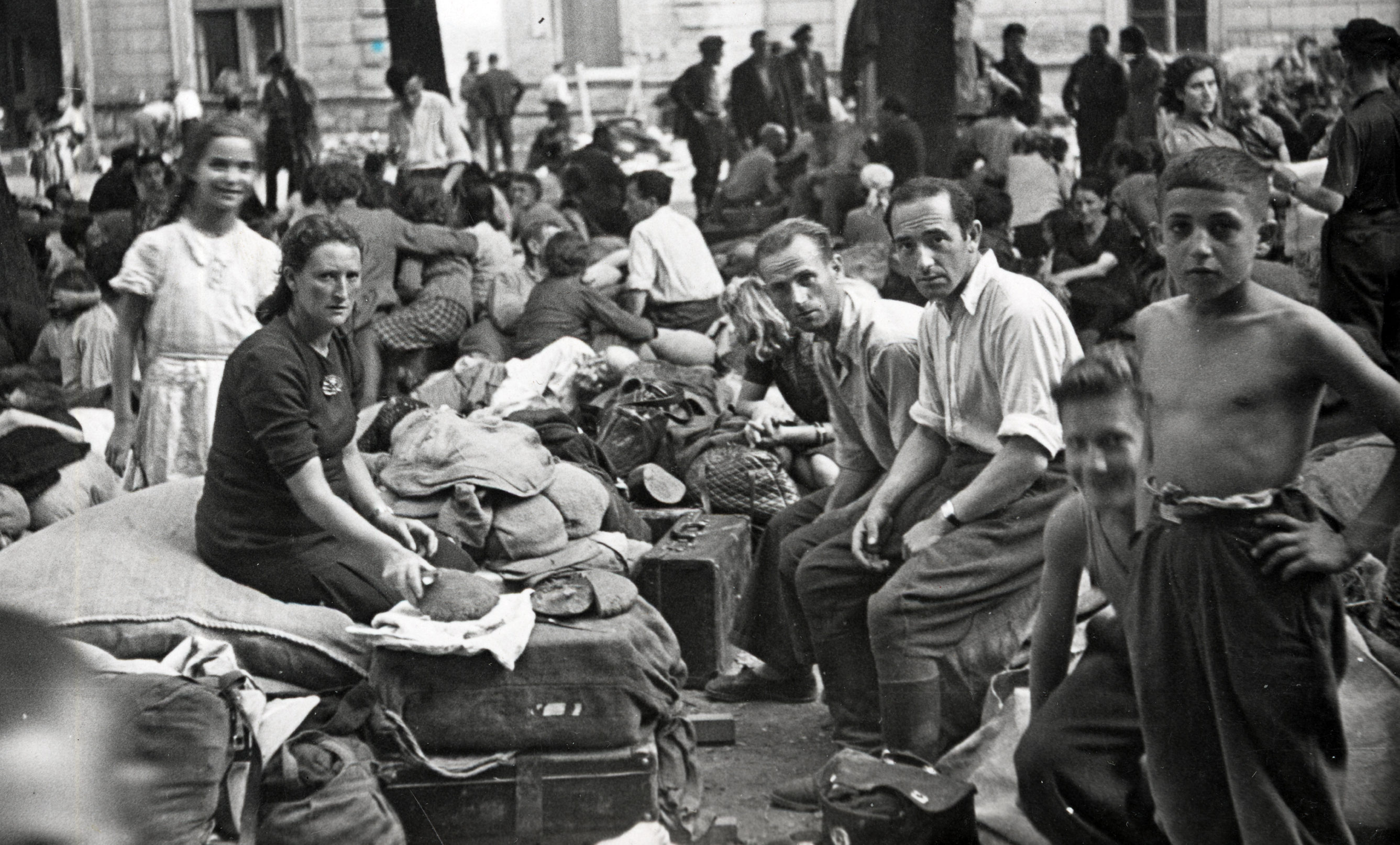
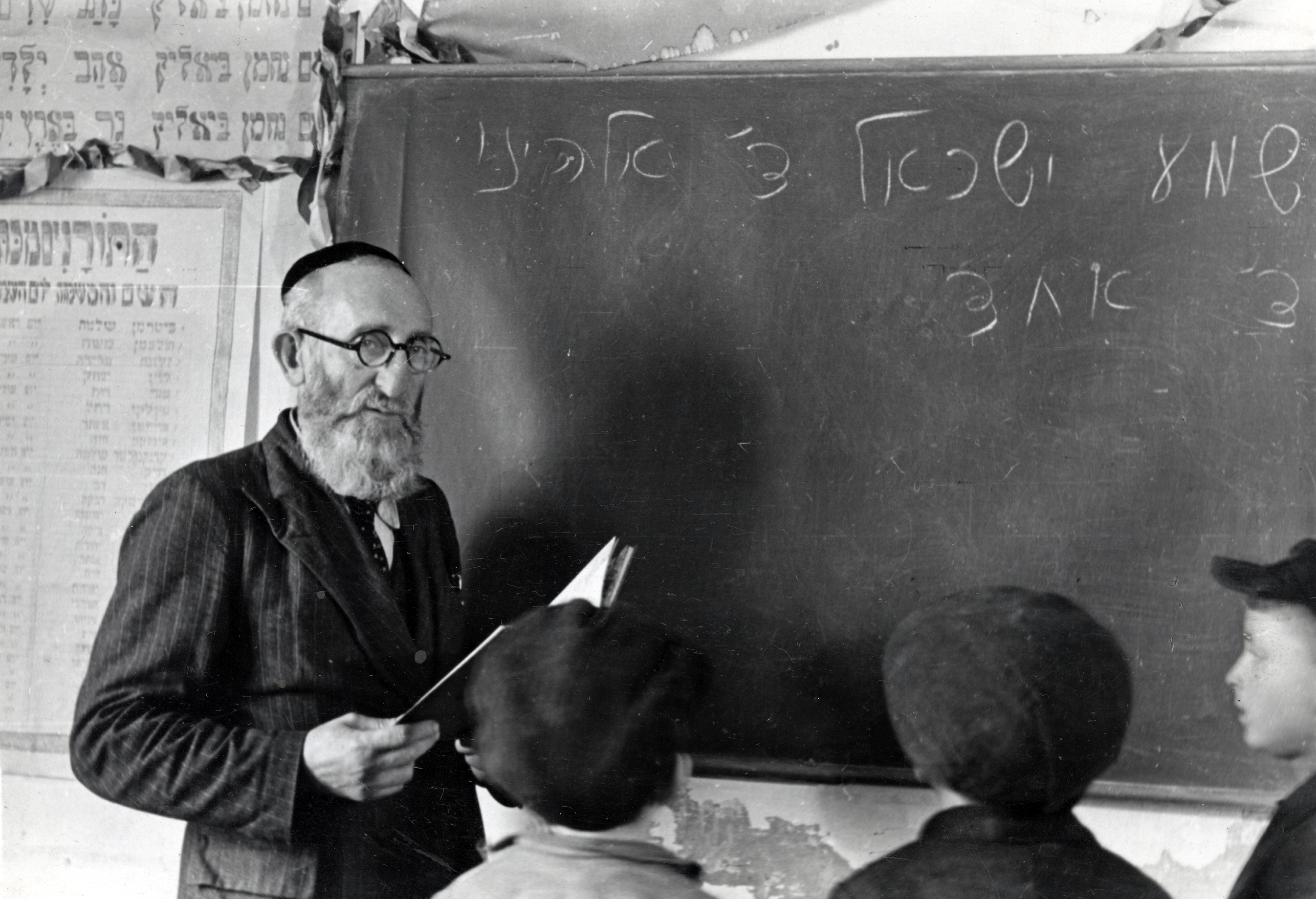
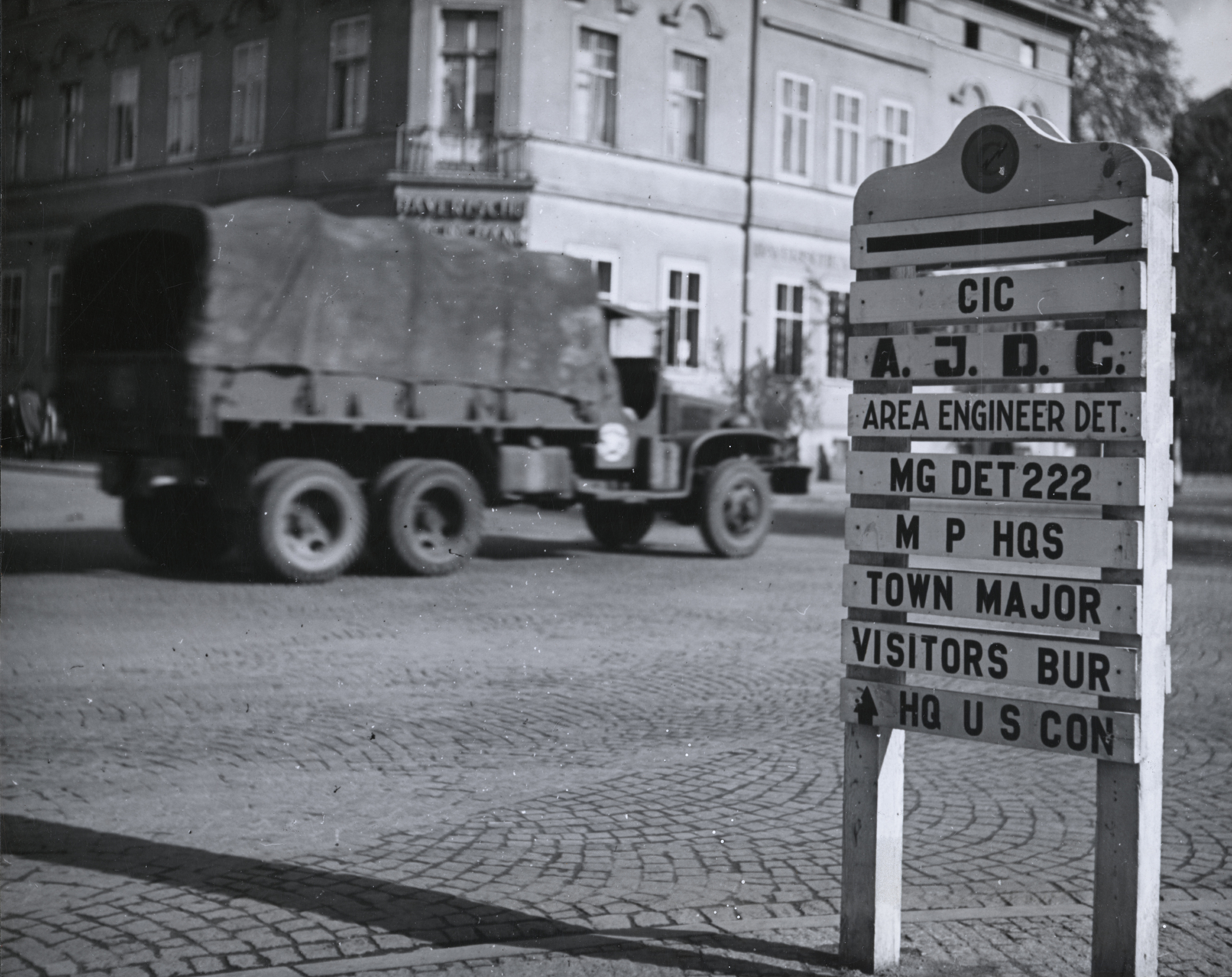
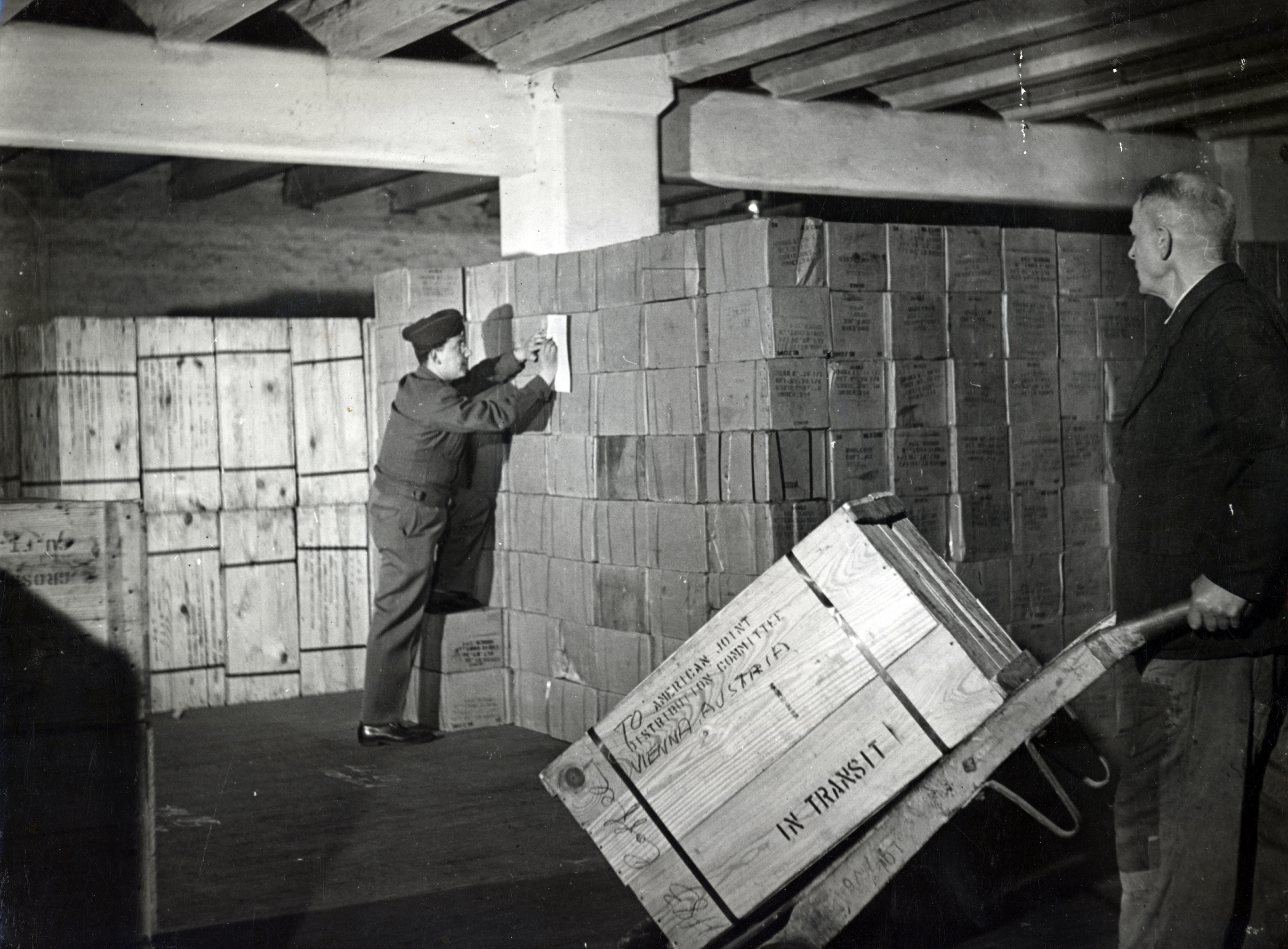
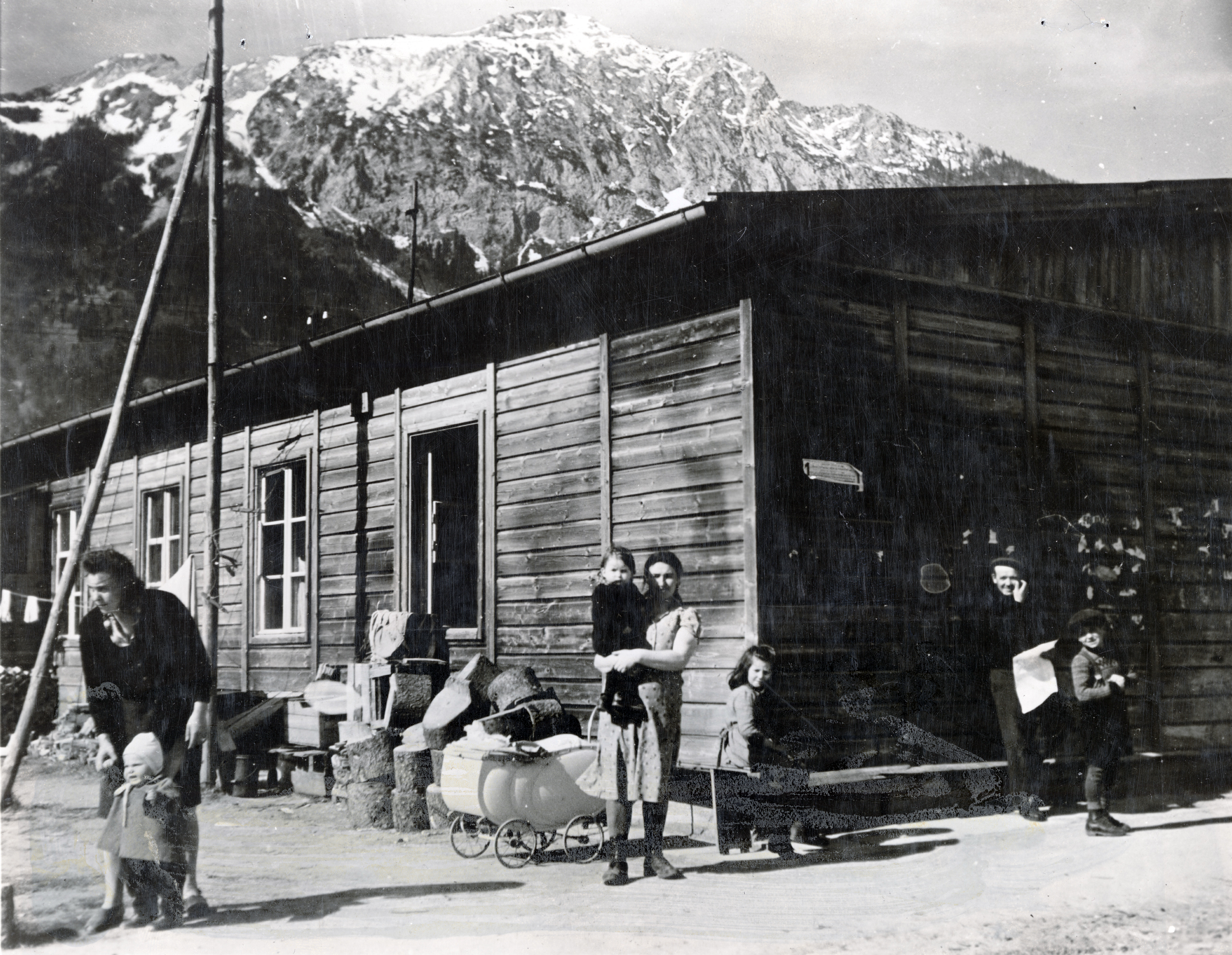
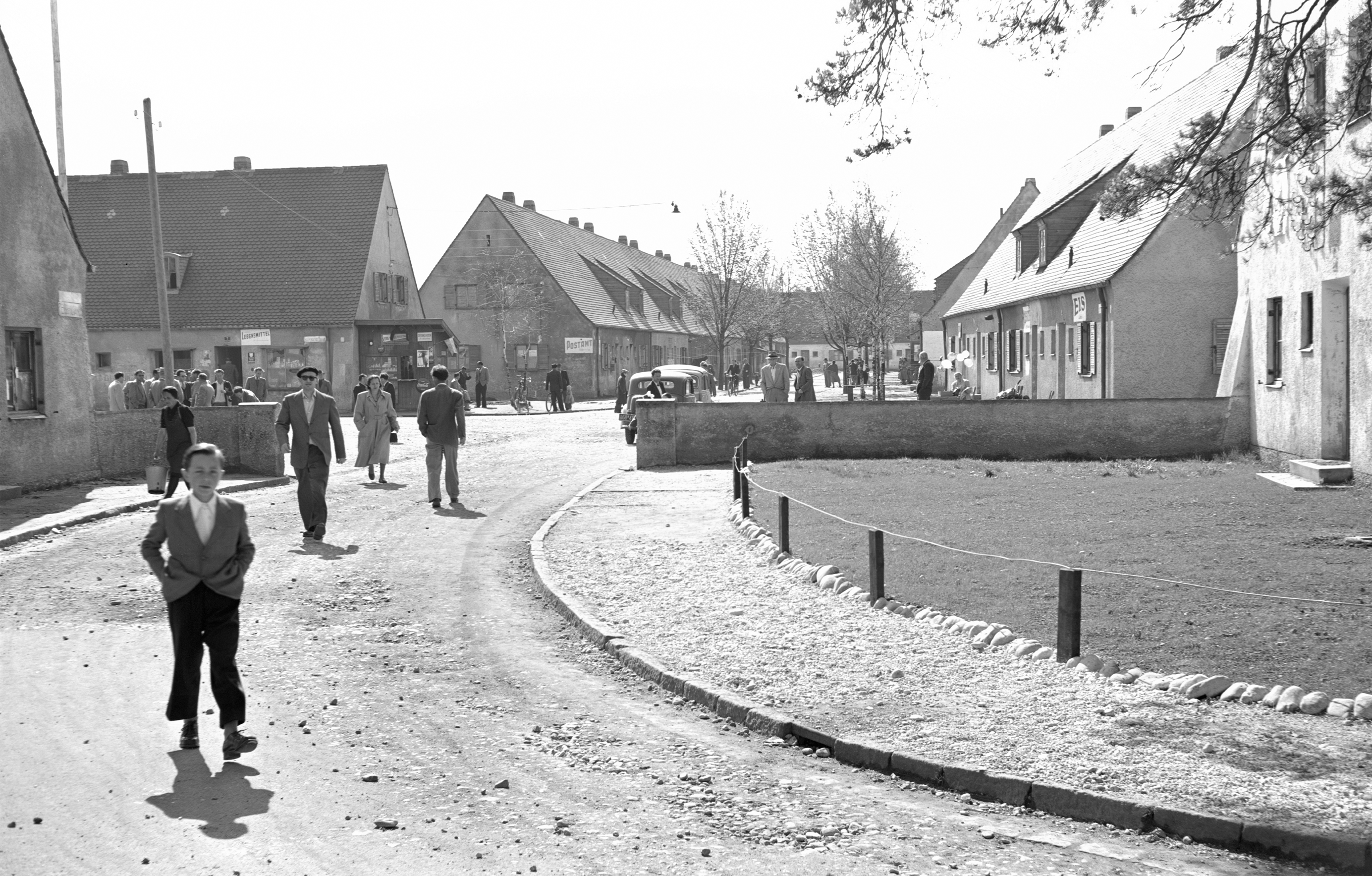
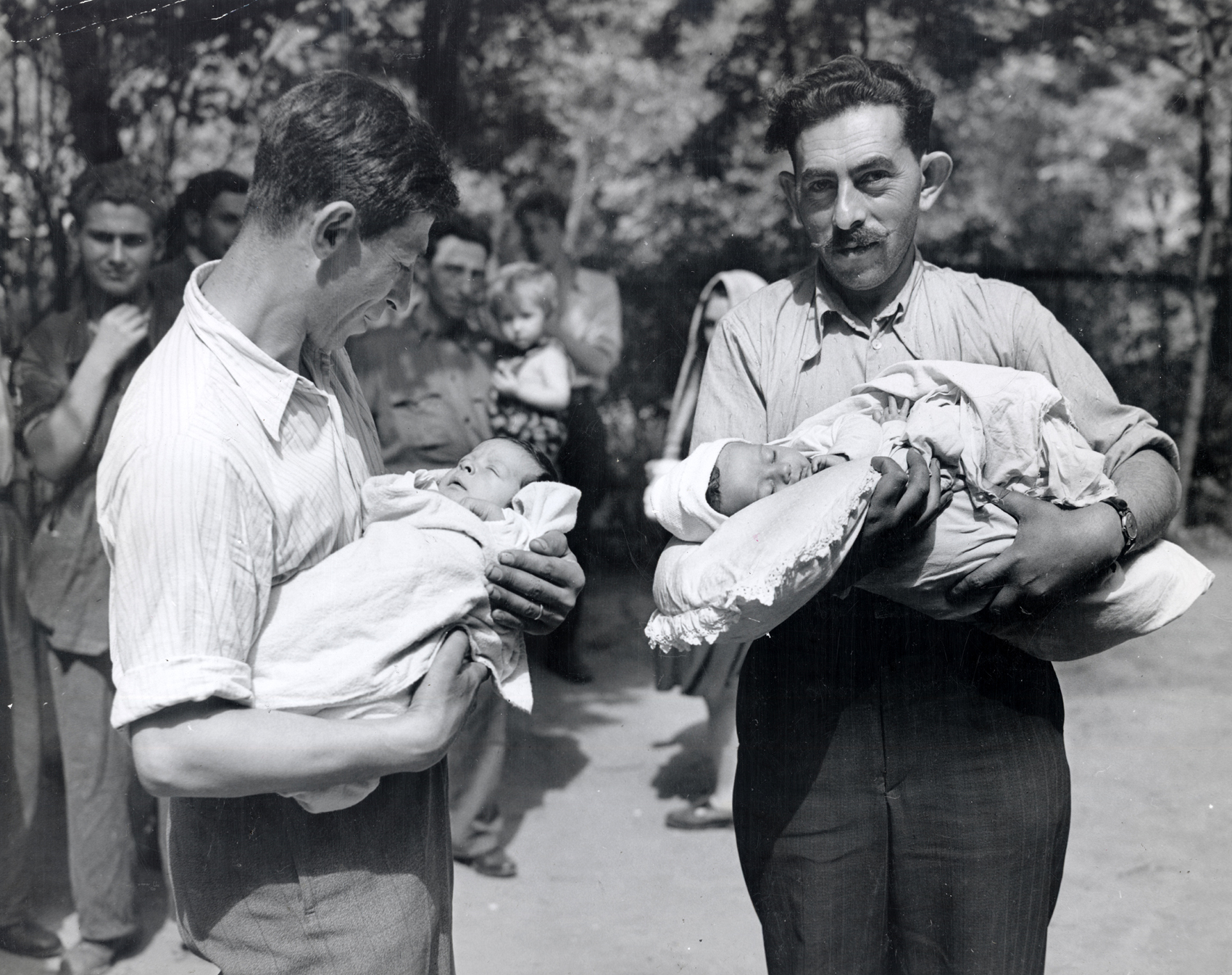
As World War II drew to a close, JDC marshalled its forces to meet a crisis of staggering proportions, racing to ensure that tens of thousands of newly liberated Jews would survive to enjoy the fruits of freedom. By late 1945, some 75,000 Jewish survivors of the Nazi horrors had crowded into the displaced-persons (DP) camps that were hastily set up in Germany, Austria, and Italy. Conditions were abominable, with many subjected to anti-Semitism and hostile treatment.

2021 JDC Archives Fellows Announced
The JDC Archives is pleased to announce that it has awarded six new fellowships for 2021. JDC Archives Fellowships are awarded each year to deserving scholars engaged in graduate level, post-doctoral, or independent study to conduct research in the JDC Archives—either...
read more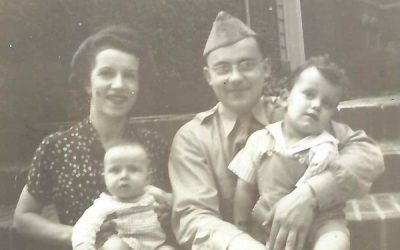
Overcoming Obstacles to Freedom
Miriam Keesing recalls her family’s wartime journey from the Netherlands. “You must not worry too much about us, we are well protected, England and France are helping us, so everything will be all right.” After some chit-chat, my grandmother, Marianne Keesing, devoted...
read more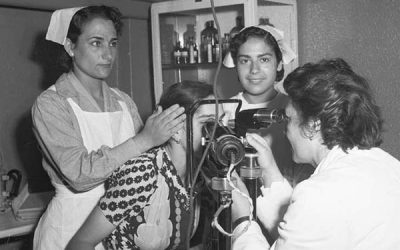
Prevention & Partnership: Launch of JDC’s Virtual Public Health Exhibit
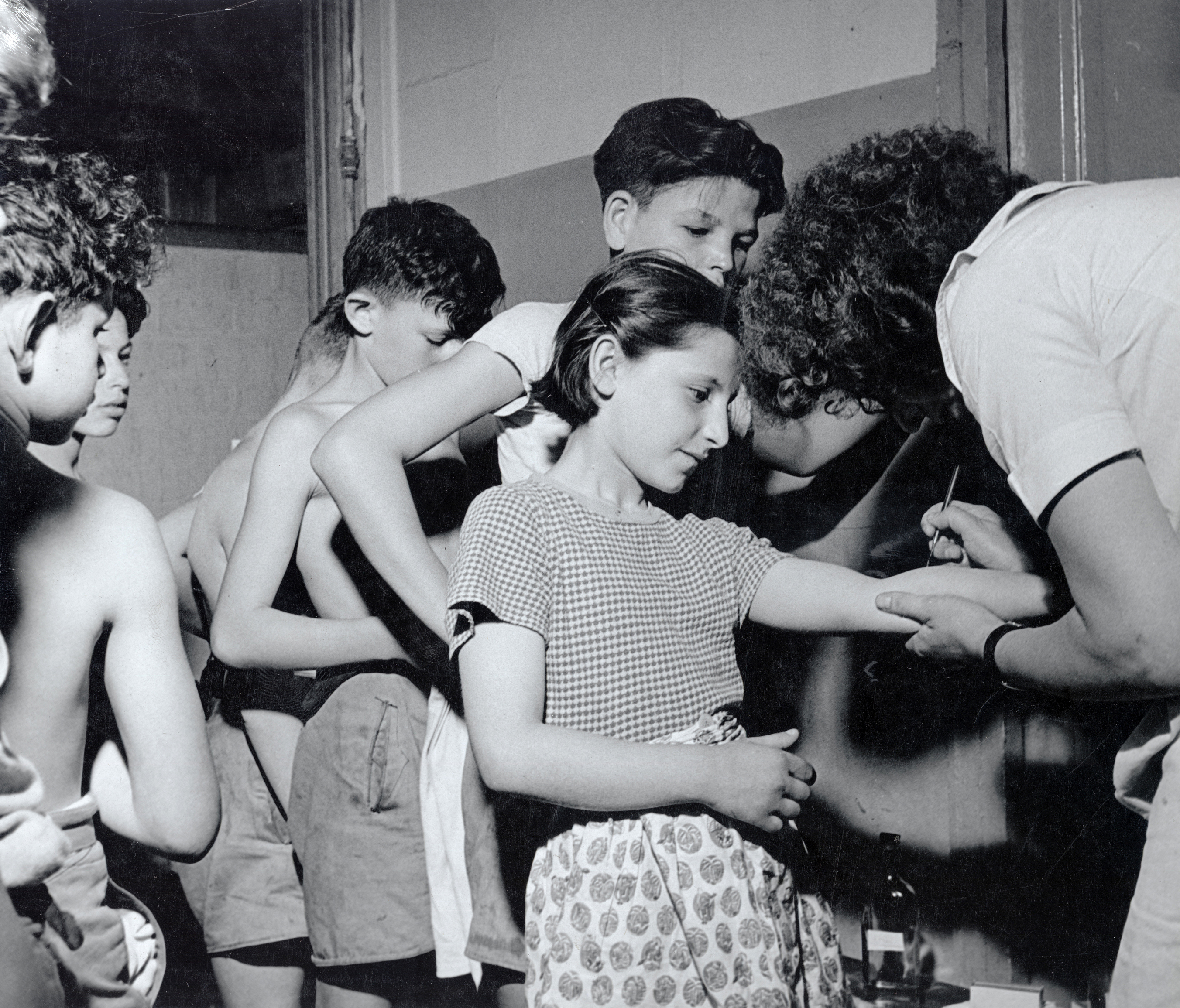
We are excited to announce a new virtual exhibit, entitled “Prevention & Partnership: JDC’s Contributions to Public Health.” The exhibit explores JDC assistance in fighting epidemics and promoting global health, with special sections devoted to profiling public health...
read more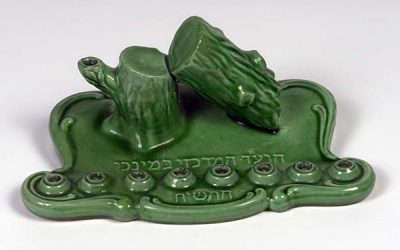
Distribution of Religious Items
Products of Ceramic Workshop of “the Joint” in Germany With the passage of time, items that were distributed have morphed into organizational heirlooms imprinted with the JDC legacy. Nowhere is this more evident than with religious materials JDC manufactured and...
read more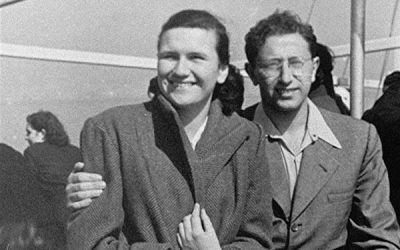
The Joint and the Casa Dello Studente
Getting a new lease on life in postwar Italy My parents William and Pearl Good (formerly Wowka Zev Gdud and Perela Esterowicz) were born in Vilna, Poland (now Vilnius, Lithuania), which was a vibrant center of Jewish life and culture before the war. Out of the 100,000...
read more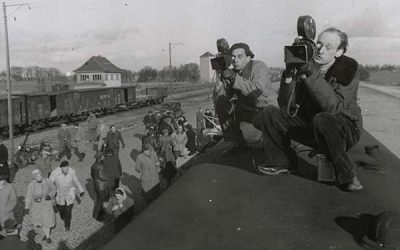
JDC Archives Historic Films in Action
How filmmakers have utilized JDC’s historic films Since the 1920s, JDC has documented its work, commissioning films of its relief operations and the historic circumstances to which it responded through audiovisual media. These rare films constitute unique eyewitness...
read moreRelated items from our collections
Explore More
Through the Eyes of an Artist
The lithographs of Leo Haas “The world must see through the eyes of the artists the horrors of Nazi brutality. Stories and numbers are too often forgotten or are so shocking that they completely defy imagination. But through documentary pictures, Nazism can be, and...
A Game of Chance
Poignant memories from a childhood spent in China Today in the JDC Archives, Claus Hirsch is best known for his indexing skills, having worked tirelessly over 10 years to catalog lists of JDC aid recipients, that have now been transformed into genealogical gems for...
Benefiting a Multitude
The world of the Soupe Populaire, Casablanca Conditions for the 40,000 Jews in Casablanca's mellah (Jewish quarter) during and after World War II were shocking. The vast majority of the mellah's children suffered from malnutrition, lack of clothing, and very limited...